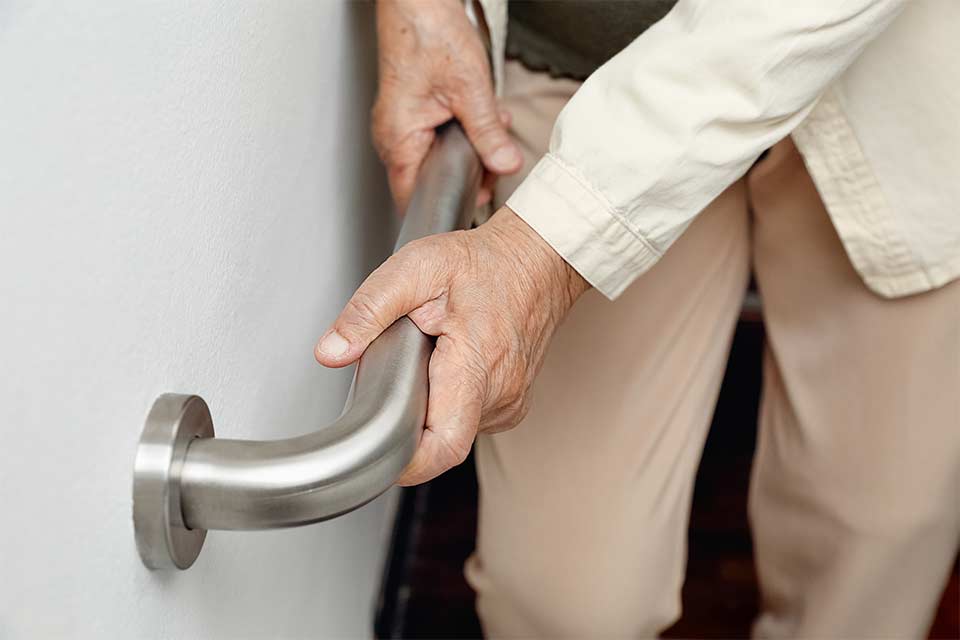
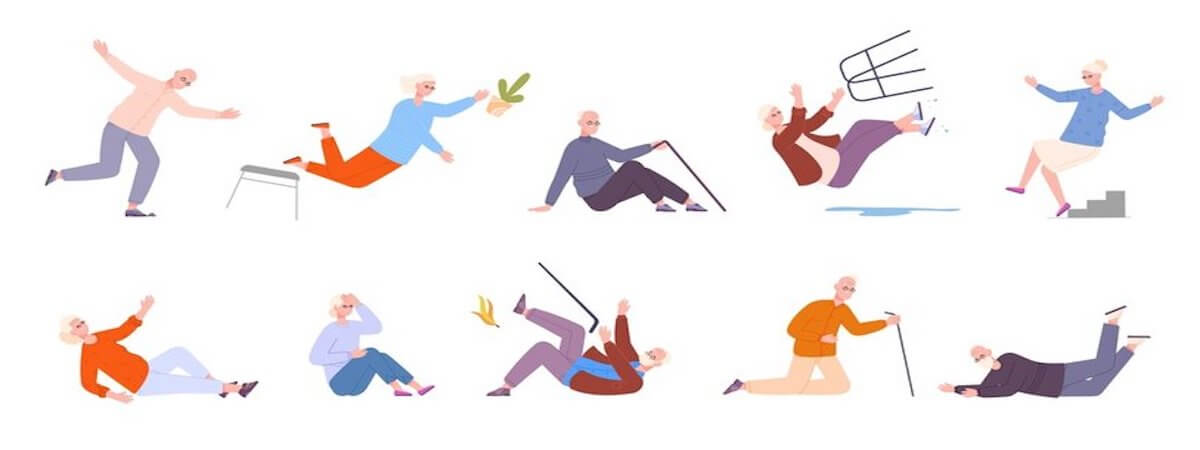
When we think about aging, it’s natural to focus on physical changes like reduced mobility or diminished eyesight. But one often-overlooked factor with serious consequences is hearing loss. New research is shedding light on a critical connection: untreated hearing loss significantly increases the risk of falls in older adults.
At Creekside Hearing, we believe that educating our community about the far-reaching impacts of hearing loss is key to better health and quality of life. Let’s take a closer look at how hearing health is directly tied to balance, brain function, and fall prevention and what you can do about it.
 What the Research Says
 What the Research Says
A study from Johns Hopkins School of Medicine found that even a mild hearing loss can dramatically increase the risk of falling. In fact:
- For every additional 10 decibels of hearing loss, the risk of falling increases by 140%.
- Mild hearing loss alone can triple the risk of falling compared to those with normal hearing.
These numbers are more than just statistics, they reflect a growing public health concern. Falls are the leading cause of injury in adults over 65, and even a single fall can lead to long-term health issues, loss of independence, or hospitalization.
Why Hearing Loss Affects Balance
 Why Hearing Loss Affects Balance
It might surprise you to learn that your ears play an important role in balance and spatial orientation. When hearing begins to decline, the brain has to work much harder to interpret sound. This extra cognitive load means fewer mental resources are available to help you stay upright and coordinated.
Additionally, hearing loss can:
- Make it harder to detect auditory cues in the environment, like footsteps, alarms, or approaching people, increasing the risk of tripping or being startled.
- Cause people to become more disoriented in unfamiliar spaces due to a lack of spatial audio cues.
- Increase mental fatigue, which can make walking and multitasking more difficult.
Hearing Aids Help More Than Just Hearing
 Hearing Aids Help More Than Just Hearing
The benefits of hearing aids extend far beyond improved conversation and social engagement. In one study, individuals with hearing loss who wore hearing aids performed better on balance tests when their devices were turned on compared to when they were turned off.
This suggests that hearing aids may play a critical role in helping older adults maintain balance, especially when navigating busy environments or uneven surfaces.
Moreover, by reducing the brain’s workload, hearing aids can also help preserve cognitive health, an important consideration in reducing risks of dementia and other age-related cognitive conditions.
What You Can Do: Next Steps for You or a Loved One
 What You Can Do: Next Steps for You or a Loved One
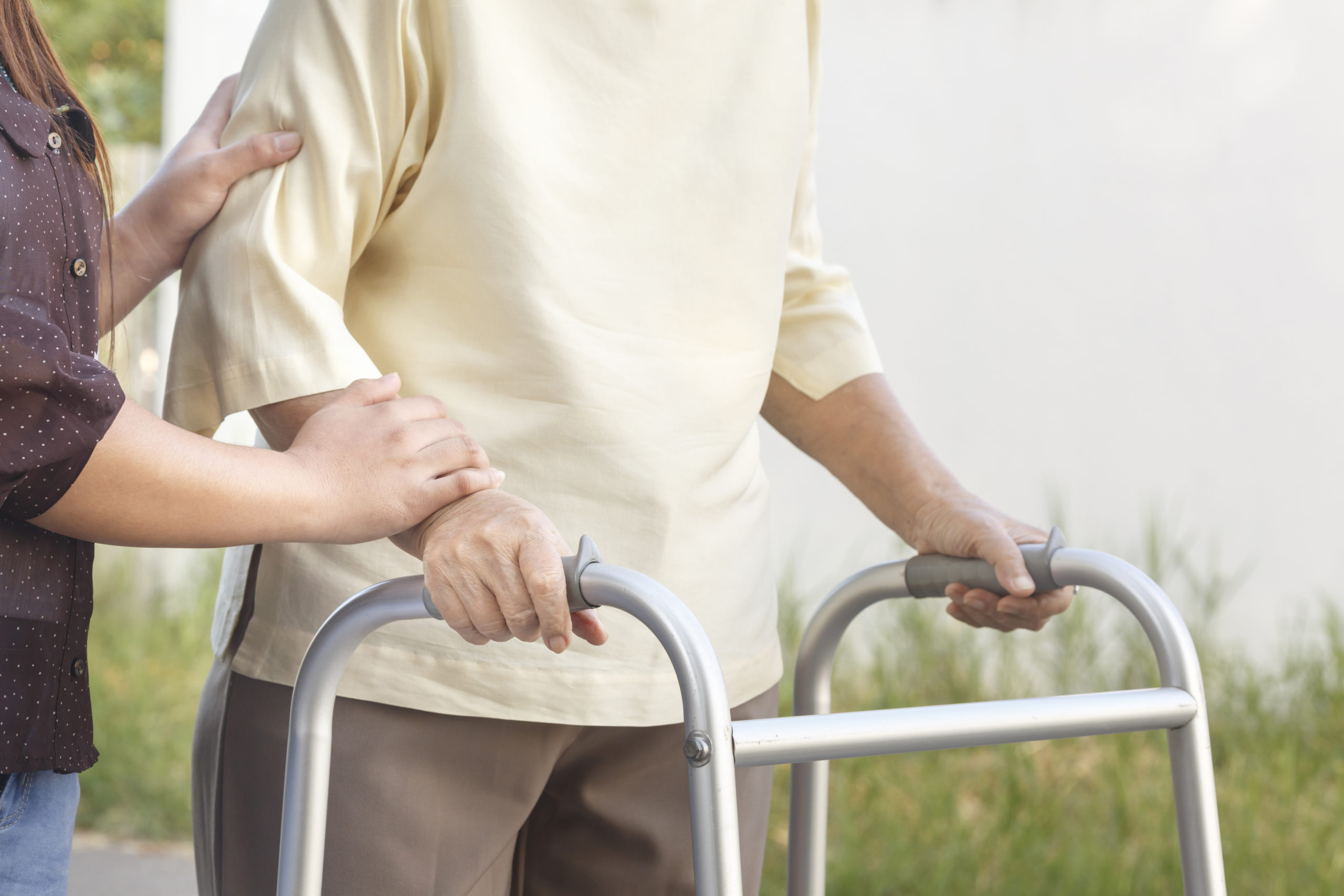
Hearing loss is common as we age, but that doesn’t mean it should be ignored. Many falls and the injuries that result from them are preventable. By addressing hearing loss early, you can significantly improve not just your hearing, but your mobility, safety, and independence.
If you or someone you care about is:
- Feeling off-balance or dizzy
- Having trouble following conversations
- Frequently asking people to repeat themselves
- Avoiding social situations due to hearing difficulties
…it may be time for a comprehensive hearing assessment.
At Creekside Hearing, we’re dedicated to helping adults preserve both their hearing and overall well-being. Our experienced team provides compassionate, personalized care every step of the way, guiding you through a treatment plan tailored to your needs.