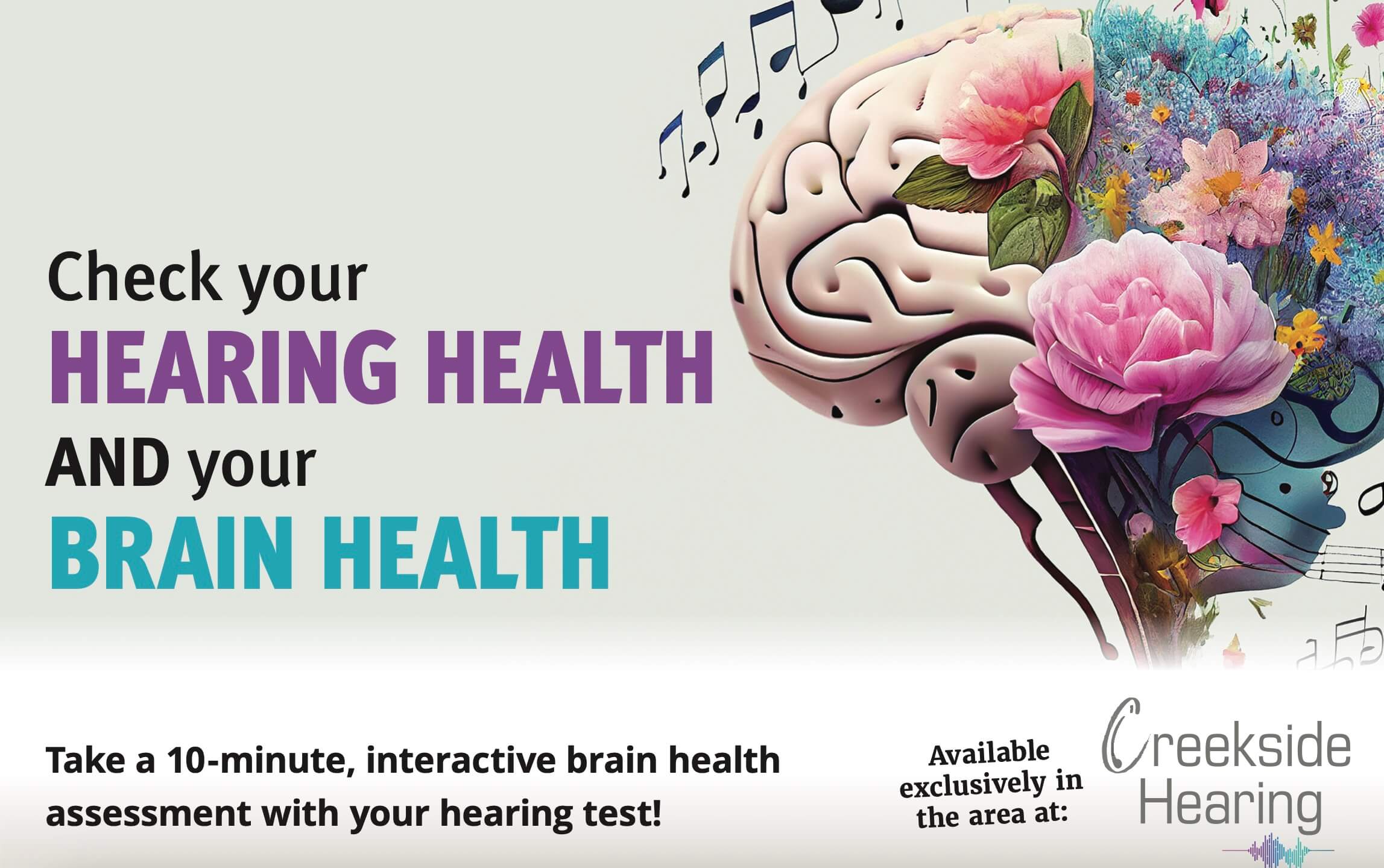

This month we seek to explore and understand the unique and intriguing connection between our sense of hearing and cognitive function. Ever been told that you are not listening? Do not simply dismiss it as an offhand remark. Research continues to explore the important relationship between hearing health and cognitive health, including the association between hearing loss and the risk of cognitive decline and dementia. What if taking care of our hearing could also play a role in supporting our cognitive health as we age? Join us as we journey into the world of sound and silence, cognition and confusion, and the pivotal role that your hearing devices could play in potentially extending your quality of life.
The Close Connection Between Hearing and Brain Function
One of the busiest routes is the auditory path – the information superhighway from our ears to our brain. But what happens when this vibrant flow of sound becomes muffled and distorted by hearing loss? Understanding speech may require greater concentration and listening effort. Studies have shown that untreated hearing loss can affect the overall cognitive function, leading to cognitive decline, it is not just about not being able to hear the birds sing or a friend’s joke.
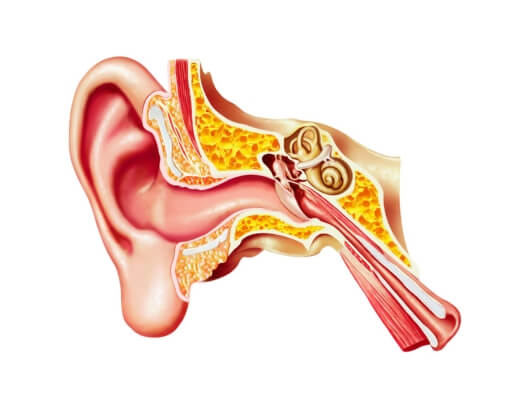
Let us consider an everyday scenario: having a conversation in a noisy environment. With normal hearing, your brain easily filters out the background noise, focusing on the person speaking to you. However, with hearing loss, this becomes an uphill task. Your brain has to work overtime to extract meaningful sound from the noise, putting additional strain on your cognitive resources. It is also about our brain processing and understanding auditory signals.
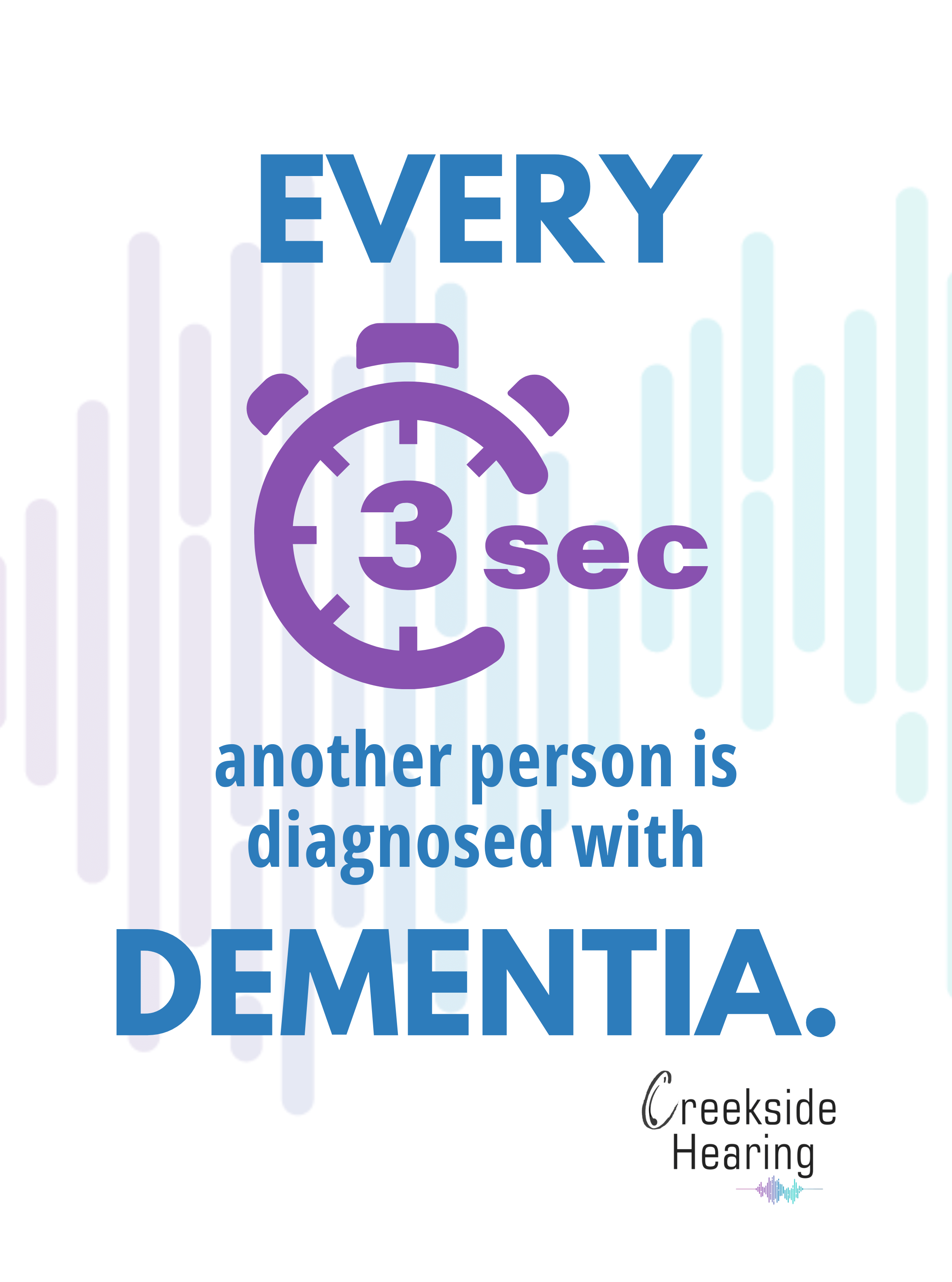
This is where the possibility of dementia comes into the picture. Dementia is a condition characterized by cognitive impairment affecting memory, thinking, behavior, and the ability to perform everyday tasks. While age is an important risk factor for dementia, research has also identified hearing loss as one of several modifiable risk factors associated with cognitive decline and dementia. This does not mean that hearing loss directly causes dementia. However, research has identified hearing loss as a leading potentially modifiable risk factor for dementia, highlighting the important connection between hearing health and cognitive health.
Therefore, our hearing, often taken for granted, plays a crucial role in maintaining our cognitive well-being. Good auditory health contributes to protecting against conditions like cognitive decline and dementia.
As we continue this exploration, keep in mind that awareness of this delicate relationship is our first line of defense against cognitive decline.
The Transformative Impact of Prescriptive Hearing Devices
After exploring the link between hearing loss and dementia, let’s look at solutions and the role hearing care can play. One important solution is a personalized treatment plan designed to address your individual hearing needs. – Appropriate hearing care can improve access to sound, reduce listening effort and cognitive load, and support better communication an social engagement.
5 Medical Benefits of Treating Hearing Loss and Tinnitus
Treating hearing loss and tinnitus early can significantly improve both physical and mental well-being. Active aging with proper care for these conditions reduces brain strain, enhances communication, improves safety, and maintains a higher quality of life. Managing tinnitus can also ease constant noise disturbances, making daily life more comfortable.
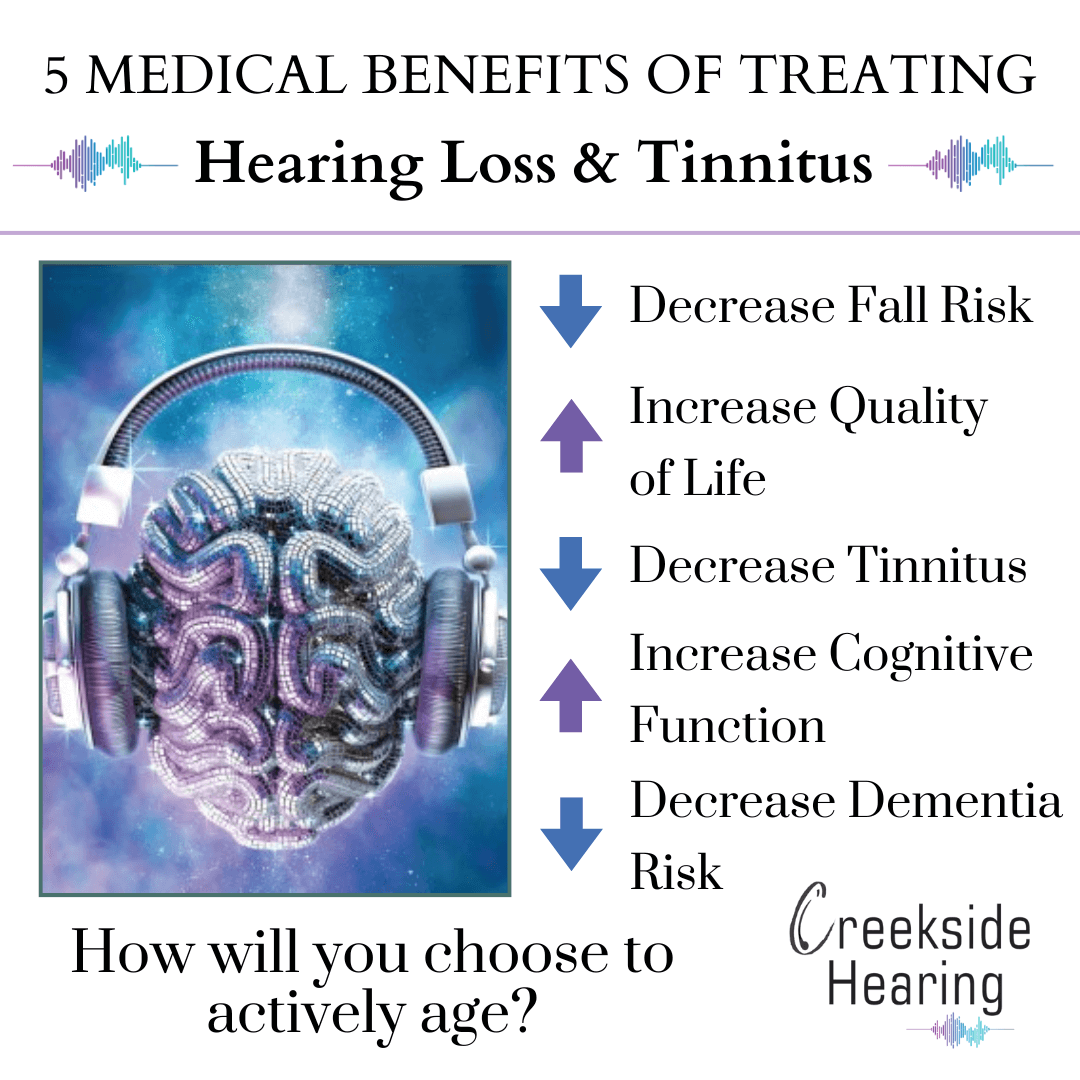
Decrease Fall Risk: Hearing loss has been associate with an increased risk of falls. Improved access to sound may support greater awareness of your surroundings.
Increase Quality of Life: Addressing hearing loss and tinnitus enhances communication, social interactions, and daily activities, leading to a more fulfilling life.
Decrease Tinnitus: Effective treatments can reduce the intensity or impact of tinnitus, helping alleviate the ringing or buzzing or other tinnitus sounds in the ears.
Increase Cognitive Function: Treating hearing loss can reduce listening effort and cognitive overload, allowing more cognitive resources to be available for communication of other tasks.
Decrease Dementia Risk: Early intervention in hearing loss could help lower the risk of developing dementia, as untreated hearing loss is linked to cognitive decline.
Taking Action: Embracing Hearing Health for a Brighter Cognitive Future
What can we do armed with this knowledge? We can start by taking our hearing health seriously. It is time we treat our ears with the same level of care we give to our eyes or teeth. Regular hearing checks should be a part of our health routine. If you notice any changes in your hearing, do not hesitate to seek help, including right here in Waterloo at Creekside Hearing. Remember, early intervention is important in managing hearing loss and its potential cognitive impacts

For those already living with hearing loss, do not let any stigma or hesitation keep you from exploring the benefits of hearing devices. As we have seen, these devices can be a game-changer, not just for our hearing, but also for our cognitive health. So, please feel free to reach out to us to learn about your options, and embrace the transformative power of hearing aids.
Lastly, let us share our understanding with our friends, families, and communities. The conversation about hearing loss and cognitive decline needs to be louder and more widespread.
We all hold the power to affect our cognitive well-being positively. With the information we have shared and discussed, you are already equipped to make a difference in your life and the lives of those around you. Take this knowledge, and transform it into action. Prioritize your hearing health, embrace the power of hearing devices if needed, and continue to learn and spread awareness.
Embrace the Power of Cognivue for Your Hearing Health
Cognivue Thrive is the first FDA-cleared, self-administered computerized screener, a ground-breaking tool that provides a screening of cognitive function in approximately 10 minutes.
What makes Cognivue so valuable is its ability to provide insights into our cognitive health, which can provide additional information to help us better understand each patient’s overall hearing and cognitive health. By screening different areas of cognitive function, Cognivue provides addionatal information that can help support a more complete picture of a patients overall health.
Cognivue provides additional information that can support a more personalized approach to hearing healthcare and help identify cognitive changes that may warrant referral for further evaluation.
We hear with our ears, but we listen with our brain.
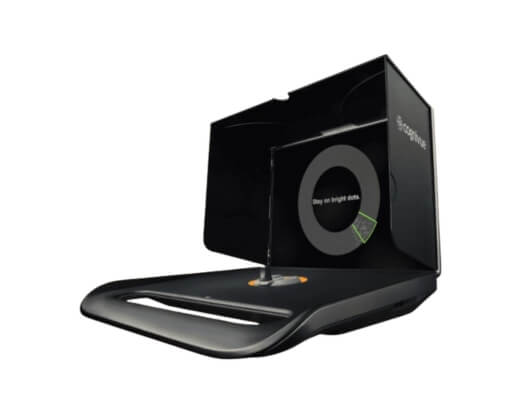
With such a tool at our disposal, our path to maintaining optimal hearing health and guarding against cognitive decline becomes clearer and more directed. Cognivue empowers us to take charge of our hearing health, leveraging the importance of personalized, data-driven care in our fight against cognitive decline related to untreated hearing loss. Contact us today to take the first step towards understanding your hearing and cognitive health.
We hear with our ears, but we listen with our brain. Let us make the choice today to hear better, live better, and take a significant step to thrive in our cognitive future.
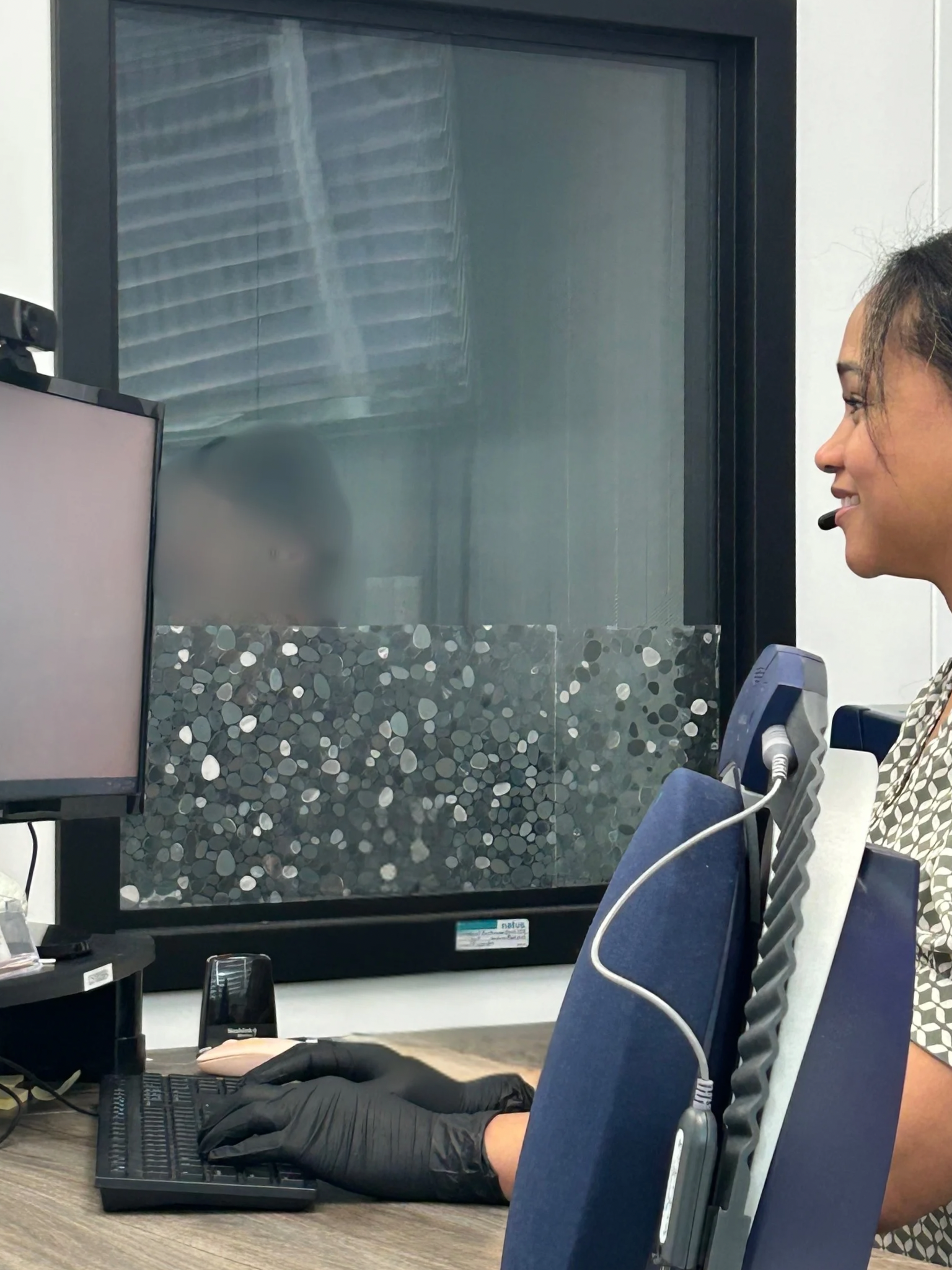
Click here to learn more about Creekside’s Cognition Screening and Hearing Services.